
A hallway can feel very different on a day when your feet hesitate, your steps get smaller, or turning toward the kitchen requires more attention than it used to. Parkinson’s movement strategies are not about pushing through those moments or trying to move exactly as you once did. They are practical ways to work with your body, build confidence, and make everyday movement feel more purposeful and manageable.
For many people with Parkinson’s disease, the goal is not a perfect workout. It is standing up from a favorite chair, walking safely through the home, getting in and out of the car, keeping up with family, or continuing to live as independently as possible. With patient practice and the right support, movement can remain a meaningful part of a healthy, active life.
Why Parkinson’s Changes Movement
Parkinson’s can affect the automatic movements many of us take for granted. Steps may become shorter, posture may feel more rounded, one arm may swing less, and starting or stopping can take extra effort. Some people experience freezing, when the feet feel temporarily stuck to the floor, especially in doorways, crowded spaces, or during a quick turn.
Symptoms can also change from day to day and even hour to hour. Medication schedules, sleep, stress, fatigue, pain, and the environment can all influence how someone moves. That is why a one-size-fits-all exercise plan often falls short. A helpful approach begins with listening: What situations feel hardest? What activities matter most? What time of day feels strongest?
A personalized movement routine can meet someone where they are while creating small, steady opportunities for progress. The focus is on safety, repetition, encouragement, and real-life function rather than comparison.
Parkinson’s Movement Strategies That Support Daily Life
Make movements bigger and more intentional
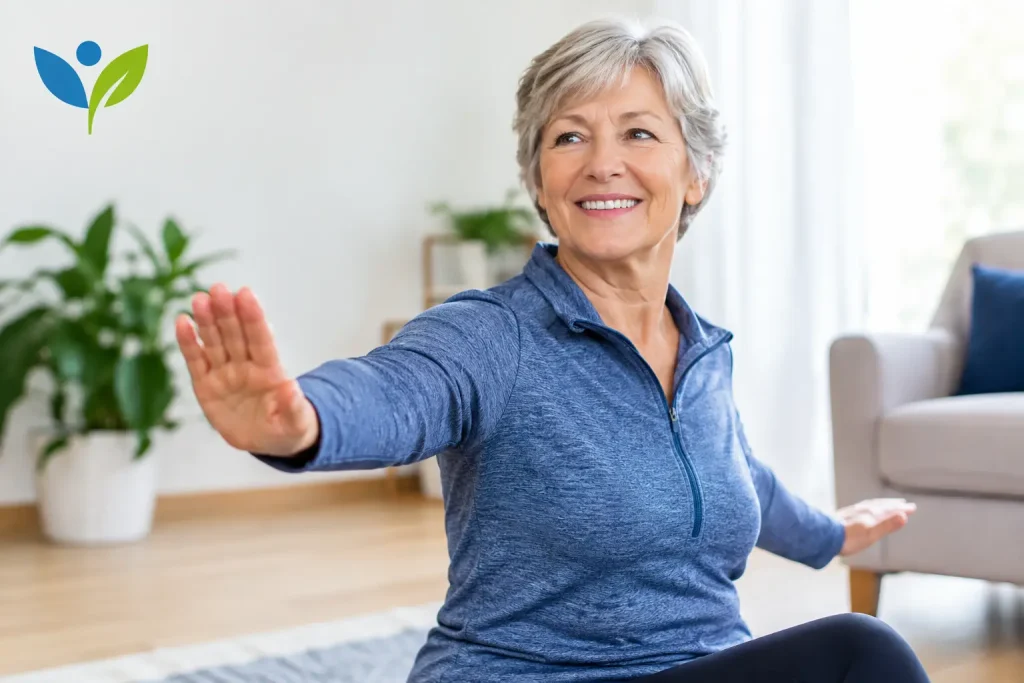
Parkinson’s can make movements feel normal to the person performing them even when they have become smaller. Practicing larger, deliberate motions can help the body reconnect with a fuller range of movement. This might mean reaching the arms forward and overhead with intention, taking a consciously longer step, or standing tall through the chest before walking.
The goal is not to exaggerate for the sake of it. It is to give the brain a clear message about the movement you want. A supportive trainer can offer feedback that is difficult to get when exercising alone, noticing when posture begins to fold forward or steps become shuffling.
Use cues when walking feels difficult
External cues can help turn a movement into a more conscious action. A simple verbal cue such as “heel first,” “long step,” or “stand tall” may help someone organize their walking. Counting out loud, walking to a steady rhythm, or stepping over a visual line can also be useful for some people.
The best cue is personal. One person may respond well to music, while another may find music distracting and prefer counting. The purpose is not to add pressure. It is to create a reliable prompt that helps movement begin and continue with more control.
Practice turns instead of rushing them
Quick, tight turns are a common time for imbalance or freezing. Rather than pivoting sharply on one foot, many people benefit from slowing down and using several smaller, purposeful steps to turn. Looking toward where you want to go, keeping the feet moving, and avoiding a rushed twist through the torso can make a meaningful difference.
This is especially helpful in narrow rooms, bathrooms, and kitchens, where people naturally turn often. Practicing turns in a clear, supervised space can build familiarity before those movements are needed during a busy day.
Strengthen the movements that protect independence
Functional strength supports daily tasks. Repeatedly practicing sit-to-stands from a stable chair, gentle supported squats, stepping in different directions, and standing balance work can help maintain the strength needed for transfers, walking, and stairs.
The right level matters. A person who is new to exercise, has neuropathy, has had a recent fall, or uses a walker may need a different starting point than someone who already walks regularly. Holding onto a sturdy surface, using a chair for support, or shortening the range of motion is not a failure. It is smart training that lets the body build trust and capacity over time.
Keep the body flexible, but do not force it
Stiffness can make movement feel more difficult and tiring. Gentle mobility work for the chest, shoulders, hips, ankles, and spine may make it easier to stand upright and take more comfortable steps. A calm yoga-inspired approach can be especially valuable when it emphasizes breathing, supported positions, and attention to how the body feels rather than forcing a stretch.
Flexibility work should never create sharp pain, numbness, dizziness, or instability. Some days call for a fuller session; other days may call for a few seated movements and a short walk. Consistency is more valuable than doing too much at once.
A Simple Plan for Freezing Moments
Freezing can be frustrating and unsettling, but having a practiced response can reduce panic. If the feet feel stuck, the first step is often to pause rather than force the body forward. Shift weight gently from side to side, stand as tall as possible, and use a familiar cue such as counting, marching one foot in place, or stepping toward a visual target.
If freezing happens often in a particular place, consider the setup. Cluttered pathways, poor lighting, slippery rugs, and rushed transitions can make movement harder. Creating clear walking routes and giving yourself extra time can be just as useful as any exercise.
Family members and care partners can help by staying calm and avoiding pulling someone forward. A steady voice, a simple cue, and enough space to regain balance are usually more helpful than urgency.
Train for the Life You Want to Keep Living
The most effective movement sessions reflect real daily goals. If getting out of a low chair is difficult, practice can include safe chair rises. If walking the dog, visiting friends, or moving through a retirement community is important, training can include endurance, posture, and walking confidence. If fear of falling has led someone to avoid activity, the first goal may simply be rebuilding trust in standing and shifting weight safely.
This approach also recognizes that physical wellbeing and emotional wellbeing are connected. A person who feels discouraged may stop moving, and less movement can lead to more stiffness, weakness, and worry. Encouragement, accountability, and celebrating meaningful improvements can help interrupt that cycle.
Progress may look different from person to person. One client may notice they can stand longer while preparing a meal. Another may feel steadier turning around in the bedroom. Another may regain the confidence to attend a family event without worrying about every step. These are real wins because they support a fuller, more connected life.
Work With the Right Support and Timing
Before beginning or changing an exercise routine, speak with your neurologist or other qualified healthcare provider, especially after a fall, medication change, new pain, chest symptoms, or a significant change in balance. A physical therapist and an experienced fitness professional can play different but complementary roles in supporting safe movement.
When possible, schedule movement practice during the part of the day when medication is working well and energy is more reliable. Wear supportive shoes, use prescribed mobility aids, and choose a clear area with a stable chair or counter nearby. If dizziness, unusual shortness of breath, chest discomfort, or a sudden change in symptoms occurs, stop and seek appropriate medical guidance.
In-home coaching can be particularly helpful because daily challenges happen at home. Practicing safe movement in the actual spaces where someone gets out of bed, walks through a hallway, or rises from a chair makes each session more relevant. For Phoenix and Scottsdale residents, that kind of personal attention can bring practical support right to the place where confidence matters most.
Movement with Parkinson’s is not about proving anything. It is about giving yourself useful tools, compassionate support, and repeated reminders that your body is still capable of learning. Start with one meaningful action today, whether that is a careful sit-to-stand, a few tall steps down the hallway, or asking for the guidance that helps you feel safer doing both tomorrow.