
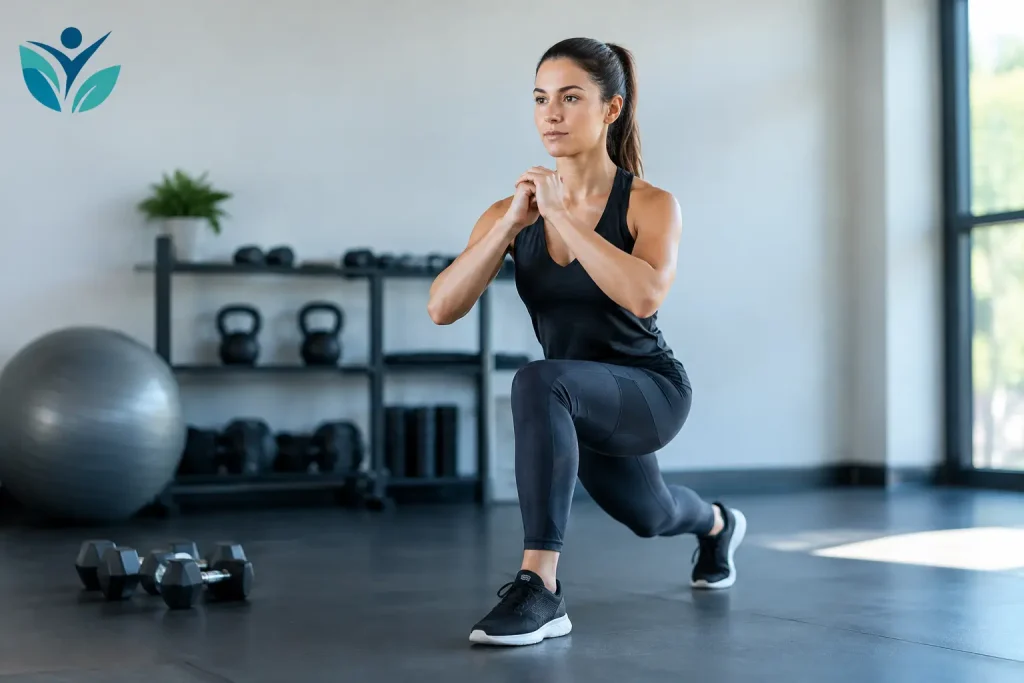
Getting up from a favorite chair, carrying groceries inside, stepping off a curb, reaching a high shelf, or turning quickly to greet a neighbor all ask something of your body. A functional fitness guide is not about chasing a certain look or keeping up with someone else’s workout. It is about helping you move through your own life with more comfort, confidence, and freedom.
For many adults, especially those managing stiffness, balance changes, pain, or a long break from exercise, that purpose matters far more than a demanding gym routine. Functional fitness meets you where you are and builds from there. The goal is simple: make everyday movement feel safer and more possible.
What functional fitness really means
Functional fitness is exercise designed around the movements people use in daily life. Rather than isolating one muscle at a time, it often asks several parts of the body to work together. A supported squat can help with sitting and standing. A pulling movement can support posture and make it easier to open a heavy door. Balance practice can make walking over uneven ground feel less uncertain.
This does not mean every workout must copy a household task. It means training should have a clear connection to what you want your body to do outside a session. A good program improves strength, mobility, balance, stamina, and body awareness in ways that support your routines and goals.
The best starting point depends on the person. Someone returning to movement after back pain may need gentle core stability, careful hip mobility, and chair-supported strength work. A healthy, active older adult may be ready for more challenging balance drills, light resistance training, and longer walks. A person living with Parkinson’s disease or peripheral neuropathy may benefit from a more structured approach that puts safety, posture, coordination, and confidence first.
Why everyday strength is worth building
Strength is often misunderstood as something reserved for athletes or younger people. In reality, strength helps protect independence. It supports the legs when you rise from a chair, the trunk when you twist or reach, and the arms when you carry, push, or pull.
Balance and mobility belong in the conversation, too. Strong legs alone do not always prevent a fall if your feet, hips, eyesight, reaction time, or confidence have changed. Functional training brings these pieces together. It gives you opportunities to practice shifting weight, standing on one foot with support nearby, changing direction, and recovering your posture when something feels unsteady.
There is also an emotional benefit. When movement feels difficult, people may begin avoiding activities they once enjoyed. That can shrink a social life, reduce activity, and make the body feel even less capable. Small physical gains can create a meaningful shift. Standing taller, walking farther, or getting up without using both hands can restore a sense of possibility.
A functional fitness guide starts with your real life
Before choosing exercises, consider the moments you want to improve. Be specific. “I want to be stronger” is a worthy goal, but “I want to climb the stairs at my daughter’s house without stopping” gives your training a useful direction.
Think about activities such as getting in and out of a car, walking your dog, gardening, traveling, playing with grandchildren, lifting a laundry basket, or moving confidently around your home. Notice where you hesitate, hold your breath, feel pain, or ask for help. Those details can guide a personalized plan.
It also helps to consider what has changed recently. Have you been less active? Are you recovering from illness or injury? Have you had a fall or a close call? Are medications affecting your energy or balance? Honest answers are not a reason to feel discouraged. They are information that helps you choose a safer and more useful starting point.
If you have a medical condition, recent surgery, chest pain, unexplained dizziness, or a history of falls, talk with your healthcare provider before starting a new program. A qualified trainer can then adapt movement to your abilities and work within any guidance you have received.
The movement patterns that matter most
A balanced functional fitness program usually includes a few foundational movement patterns. You do not need to master them all on day one. Progress comes from regular practice, good form, and the right level of challenge.
Sit, stand, and squat
The ability to lower and rise with control supports daily independence. Chair sit-to-stands are often an excellent place to begin. Start from a stable chair, use your hands if needed, and focus on pressing through your feet as you stand tall. Over time, you may use less arm support, slow the lowering phase, or add light resistance.
Hinge, reach, push, and pull
Hinging teaches the hips to move safely when picking something up. Reaching supports everyday tasks like putting dishes away. Pushing and pulling build useful upper-body and postural strength. Wall push-ups, resistance-band rows, and light carries can be practical choices when matched to your needs.
Good technique matters more than heavy weight. If an exercise causes sharp pain, numbness, or symptoms that feel wrong for your body, stop and seek appropriate guidance. Productive effort can feel challenging. Pain is not a requirement for progress.
Step and balance
Walking is valuable, but purposeful balance practice adds something different. You might stand with your feet closer together near a countertop, shift your weight from side to side, practice stepping forward and back, or take slow heel-to-toe steps with support close by.
The right amount of support is not a sign of weakness. Holding a counter or sturdy chair can let you practice safely and with better focus. As confidence grows, the challenge can change gradually.
Rotate and stabilize
Daily life includes turning to look behind you, reaching across the body, and carrying objects without losing alignment. Gentle seated or standing rotations, core bracing, and controlled marching can help improve coordination and trunk stability. These movements are especially helpful when they are taught with patience rather than rushed repetition.
How often should you train?
Consistency usually matters more than intensity. Two or three strength-focused sessions each week can make a meaningful difference, especially when paired with regular walking, gentle mobility work, or enjoyable movement such as yoga.
Short sessions count. Ten focused minutes of chair stands, wall push-ups, supported balance work, and easy stretching may be more sustainable than an ambitious plan that leaves you exhausted or sore for days. Some people enjoy a longer structured workout. Others do best with movement spread throughout the week. Both approaches can work.
Aim for a challenge that feels manageable. You should be able to breathe, stay aware of your form, and finish feeling like you did something worthwhile, not defeated. Mild muscle fatigue can be normal. Lingering pain, excessive fatigue, or growing fear around movement suggests the plan needs adjustment.
Progress without pressure
Functional fitness is not a test you pass once. Your needs can change with sleep, stress, health, travel, caregiving, and the seasons of life. A compassionate plan makes room for those changes.
Progress may look like adding one more repetition, walking for five extra minutes, using lighter hand support during balance practice, or recovering more quickly after an outing. It may also look like showing up after a difficult week. Those are real wins.
At EightLimFit, personalized coaching begins with listening. For some clients, the goal is stronger legs and steadier walking. For others, it is rebuilding a routine, easing the anxiety that comes with feeling unsteady, or finding encouragement during a major life transition. The exercise matters, but so does having someone who sees the whole person.
Make movement part of the life you want
The most effective routine is one that fits your home, schedule, energy, and goals. Keep a sturdy chair nearby for supported exercise. Place resistance bands where you will see them. Pair a few mobility movements with a daily habit, such as waiting for coffee to brew or finishing a phone call. Choose activities you genuinely enjoy whenever possible.
You do not need to become a different person to become more capable. Start with one movement that makes daily life easier, practice it with care, and let each small improvement remind you what your body can still learn. With patient support and a plan made for you, everyday strength can grow into greater confidence in the places that matter most.