
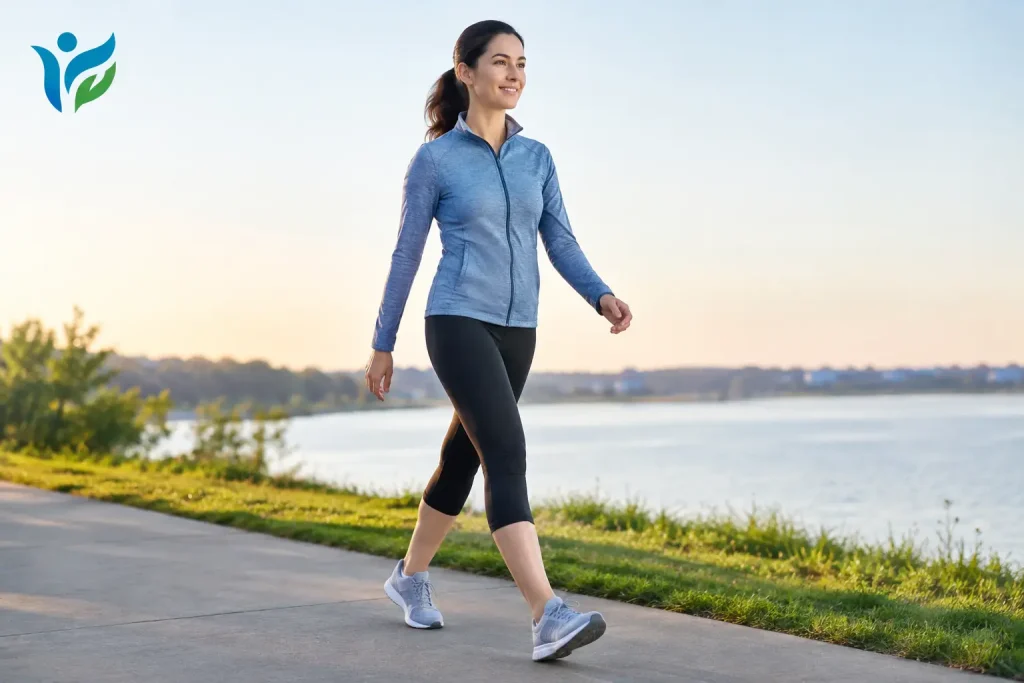
A walk can feel different from one day to the next. Perhaps you notice yourself reaching for the wall when turning a corner, taking shorter steps on uneven ground, or feeling less sure when carrying groceries. Learning how to improve gait stability is not about forcing a perfect stride. It is about building the strength, balance, awareness, and confidence that help you move through daily life with greater ease.
For many older adults, a steadier gait supports something deeply personal: independence. It can mean feeling more comfortable walking through a parking lot, visiting friends, moving around your home at night, or keeping up with family. Small, consistent practice can make a meaningful difference, especially when it is tailored to your body and goals.
What Gait Stability Really Means
Gait is simply the way you walk. Gait stability is your ability to keep your body controlled and balanced as you step forward, change direction, stop, start, and respond to the surface beneath your feet.
Steady walking is not created by one body part. Your feet provide information about the ground, your ankles make quick adjustments, your leg and hip muscles support each step, and your core helps keep your trunk upright. Your vision and inner-ear balance system also contribute. When one part is challenged by weakness, stiffness, pain, neuropathy, medication changes, or a health condition, walking may begin to feel less secure.
That is why a personalized approach matters. The best exercises for someone who feels unsteady after knee pain may differ from the right plan for a person managing Parkinson’s disease, dizziness, or numbness in the feet. Progress does not need to look dramatic to be valuable. A smoother turn, stronger rise from a chair, or calmer walk across a room are all worthwhile wins.
Start With Safety, Not Fear
A new or worsening change in walking deserves attention. Speak with your health care provider promptly if you have had a recent fall, fainting, sudden weakness, severe dizziness, new numbness, chest pain, or a noticeable change in coordination. A physical therapist or qualified fitness professional can also help identify movement patterns and create an appropriate plan.
During home practice, choose a clear area with good lighting and supportive footwear. Keep a sturdy counter, heavy chair, or rail within reach for balance exercises. Avoid practicing while overly tired, ill, or rushed. The goal is to challenge your balance thoughtfully, not to test how close you can come to losing it.
If you use a cane, walker, or other mobility aid, use it as recommended. A mobility aid is not a sign of failure. When it is properly fitted and used well, it can help you stay active while you build strength and confidence.
How to Improve Gait Stability Through Strength
Walking asks your muscles to support you on one leg at a time. Building practical lower-body and core strength can make each step feel more secure. Begin with movements that connect directly to daily life.
Practice standing up from a chair
Sit toward the front of a sturdy chair with your feet flat and about hip-width apart. Lean your chest slightly forward, press through your feet, and stand tall. Then lower yourself slowly with control. Use your hands on the chair or a nearby surface if needed.
This movement strengthens the thighs, hips, and trunk while rehearsing one of the most useful daily skills. Start with a small number of comfortable repetitions. Quality matters more than speed. If your knees hurt or you cannot control the lowering phase, adjust the chair height or ask for professional guidance.
Strengthen the hips and ankles
Your hip muscles help keep the pelvis level when you shift onto one leg. Holding a counter, try gentle standing side leg lifts without leaning your upper body. Keep the movement small and controlled. You can also practice slow heel raises, lifting your heels and lowering them with control while holding on for support.
The ankles deserve special attention because they make quick corrections when the ground is uneven. If your calves feel tight, gentle calf stretches may improve comfort and help your steps feel less restricted. For people with peripheral neuropathy, exercises should be selected carefully, with extra attention to foot sensation, footwear, and a safe support surface.
Build a supportive core
A strong core is not about doing difficult floor exercises. It is about helping your torso stay steady while your legs move. While standing tall at a counter, gently tighten your abdominal muscles as though preparing for a light cough. Breathe normally and maintain that gentle support while taking a few slow steps nearby.
Try not to stiffen your whole body. Walking becomes less natural when the shoulders, jaw, and hands are tense. Stable movement is both strong and adaptable.
Train Balance in Small, Consistent Doses
Balance improves when the body has regular opportunities to practice controlled weight shifts. Begin with your hands lightly touching a counter or sturdy surface. Shift your weight slowly from one foot to the other, noticing how your feet press into the floor. Then shift gently forward and back without lifting the feet.
When that feels comfortable, practice standing with one foot slightly ahead of the other, as if you are on a short railroad track rather than a tightrope. Hold the position with support nearby, then switch sides. This position can prepare you for the natural weight transfers that occur during walking.
Single-leg balance can be useful, but it is not a requirement for everyone. If it is appropriate for you, lift one foot only an inch or two while holding the counter. Even a few seconds of steady control counts. If you need both hands on the counter, that is where you begin. Confidence grows from successful repetitions, not from pressure to advance too quickly.
Make Your Walking Practice More Intentional
Many people walk plenty during the day but still benefit from a few minutes of purposeful walking practice. Choose a familiar, level route indoors or outdoors. Stand tall, look ahead rather than down at your feet, and let your arms swing naturally if that feels safe.
Think about taking steps that are comfortable and even, not exaggerated. Some people become less stable when they try to take unusually long strides. Others may shuffle because they are afraid of lifting their feet. Aim for a gentle heel-to-toe roll when possible, with enough foot clearance to avoid catching your toes.
Practice turns separately. Slow down before turning, take several small steps instead of pivoting sharply, and keep your eyes moving toward where you intend to go. Turning is a common moment of unsteadiness, particularly in narrow spaces or when someone is trying to answer a question while walking.
Adding a simple walking rhythm can help some people. Quietly counting steps or walking to a familiar, steady beat may encourage a smoother pace. This is not right for every person, especially if rhythm feels distracting. Pay attention to whether it helps you relax and walk more evenly.
Look Beyond Exercise: Your Environment Matters
A stronger body still needs a safer environment. Good gait stability is supported by the choices around you. Clear pathways at home, secure loose rugs, add night lights, and keep frequently used items within easy reach. Wear shoes with secure backs and soles that provide traction. Slippers without support, loose sandals, and socks on smooth floors can make balance harder than it needs to be.
Vision also matters. Keep up with eye exams, and use the glasses prescribed for the activity you are doing. If you notice dizziness when standing, take a moment at the edge of the bed or chair before walking. Hydration, regular meals, and a conversation with your provider about medication side effects can also be part of a complete fall-prevention plan.
Give Yourself a Plan You Can Keep
The most effective routine is one you can repeat. A short practice three or four days each week often serves you better than an exhausting session you avoid afterward. Pair exercises with an existing habit, such as after breakfast or before an afternoon walk. Keep a simple note of what feels easier: standing from your favorite chair, walking farther without fatigue, or feeling calmer on stairs.
Some days will be stronger than others. Pain flares, poor sleep, stress, and health changes can affect balance. Meet those days with patience. Reduce the challenge, use more support, or focus on gentle mobility rather than skipping movement altogether.
Personal coaching can be especially helpful when balance concerns are connected to chronic conditions, past falls, or fear of falling. At EightLimFit, individualized sessions can bring strength, mobility, balance, and encouraging accountability together in the comfort of home, in a community setting, or virtually.
Your walking pattern is not a fixed label. With attentive practice, appropriate support, and kindness toward your body, each steady step can become a reminder that progress is still possible.