
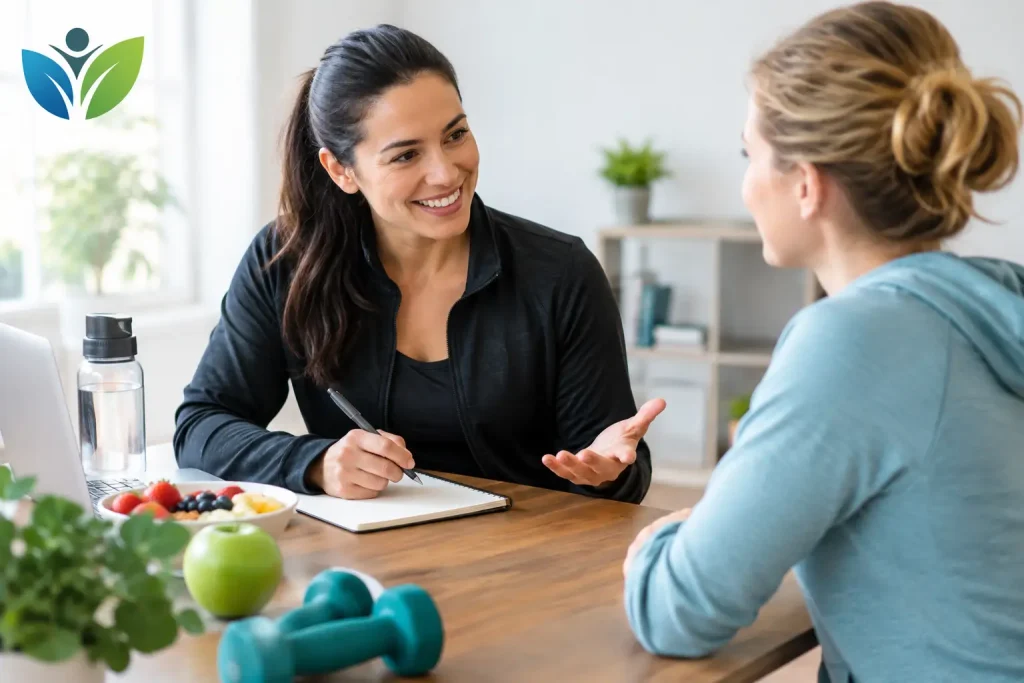
A plan can look perfect on paper and still fall apart by Tuesday afternoon. The missing piece is often not discipline. It is support that considers your schedule, energy, body, responsibilities, and the reasons a healthier routine matters to you. Healthy habit coaching brings those pieces together, helping you make choices that feel realistic enough to repeat.
For some people, the goal is to walk with more confidence, get up from a chair more easily, or rebuild strength after a long period of inactivity. For others, it is creating space for movement during a demanding workweek, managing stress with more intention, or following through on a personal goal that has been waiting too long. Whatever the starting point, lasting progress begins with a plan built around your life, not someone else’s.
What Healthy Habit Coaching Looks Like
Healthy habit coaching is personal guidance for the small, repeatable actions that support your physical and emotional well-being. It may include movement, strength and balance work, stretching, better daily routines, goal setting, encouragement, and honest conversations about what is getting in the way.
It is not about being told to wake up at 5 a.m., eliminate every favorite food, or push through pain to prove your commitment. A thoughtful coach listens first. They learn what you want to be able to do, what has felt difficult, and which changes are genuinely possible right now. From there, the work becomes more focused and far less intimidating.
A client who wants to feel steadier while walking may begin with simple balance exercises, leg strength, and a short practice routine between sessions. Someone feeling drained by work and family demands may start with two scheduled movement breaks each week and a more consistent bedtime. Those steps can sound modest, but they create evidence that change is possible. Confidence grows when you keep promises to yourself.
The value of coaching is also accountability without judgment. If a routine did not happen, the answer is not shame. It is curiosity. Was the plan too ambitious? Did pain, travel, stress, or a family obligation change the week? Was the routine attached to a time of day that never truly works? These answers help shape a better next step.
Why Generic Plans So Often Fail
Generic fitness plans usually assume that everyone has the same starting point, schedule, mobility, motivation, and access to equipment. Real life is more complicated. An older adult managing joint stiffness or balance concerns needs a different approach than a professional returning to exercise after years away. A person living with back pain, peripheral neuropathy, Parkinson’s disease, or another health challenge deserves thoughtful modifications, not pressure to keep up with a video on a screen.
Even a highly motivated person can struggle when the plan does not match their circumstances. A gym workout may be a wonderful fit for one person and completely impractical for another who does not drive at night, feels uncomfortable in crowded spaces, or needs support getting started safely. In-home, community-based, or virtual coaching can remove some of those barriers while preserving the personal connection that makes follow-through easier.
There is also a difference between knowing what to do and feeling ready to do it. Most people already understand that movement, rest, hydration, and nourishing meals can help them feel better. The harder question is how to make those choices consistent when life is busy or confidence is low. Coaching helps turn broad advice into clear actions: a walk after breakfast, a few chair stands before lunch, a stretch beside the bed, or a weekly check-in with a goal that feels meaningful.
Start With the Life You Want to Protect
For many older adults, health goals are closely tied to independence. They want to climb stairs with less worry, carry groceries, play with grandchildren, travel, garden, or move around their home with greater ease. These are powerful goals because they are personal. They are not about chasing a number on a scale or meeting someone else’s definition of fitness.
A strong coaching relationship keeps that purpose in view. When practice feels difficult, it helps to remember what the work is for. Improving leg strength may mean standing from a favorite chair without needing assistance. Better balance may make a walk through the neighborhood feel less stressful. Increased flexibility can make getting dressed, reaching a shelf, or turning to look behind you more comfortable.
Progress is not always dramatic from week to week. Sometimes it shows up as less hesitation, a longer walk, better posture, or the willingness to try something that once felt out of reach. Those moments matter. They are signs that your habits are supporting a more capable daily life.
Build Habits Small Enough to Keep
The best starting habit is often smaller than people expect. If a 30-minute workout feels impossible, five minutes of purposeful movement may be the right place to begin. If preparing every meal feels overwhelming, start by adding one satisfying, nourishing choice to the day. Small actions reduce the pressure to be perfect and make it easier to build momentum.
It also helps to connect a new habit to something that already happens. Practice gentle ankle mobility while the coffee brews. Take a short walk after lunch. Put supportive shoes by the door the night before. Keep a water bottle where you spend the most time. These simple cues reduce the number of decisions required, which is especially helpful on busy or low-energy days.
Consistency does not mean doing everything exactly the same way. It means staying connected to the intention, even when the routine needs to change. On a day when a full walk is not realistic, a few minutes of stretching and standing balance work may still honor the habit. On a stressful week, choosing rest can be wiser than forcing a demanding workout. Flexibility is not failure. It is how sustainable routines survive real life.
Healthy Habit Coaching for More Capable Days
Personalized coaching can bring together physical training and the encouragement needed to keep going. At EightLimFit, that may mean adapting a session to how your body feels that day, celebrating a meaningful win, and creating a next step that supports your goals beyond the session itself. The approach is not one-size-fits-all because people are not one-size-fits-all.
For clients in Phoenix and Scottsdale, in-home or on-site support can be especially valuable when convenience, mobility, or comfort are priorities. Virtual sessions can also provide guidance and accountability wherever you are. The setting matters less than the relationship: you should feel heard, respected, and encouraged to work at a pace that is both safe and challenging.
A good coach will also recognize when slowing down is appropriate. Building strength and confidence is not the same as ignoring pain, exhaustion, or medical guidance. Your program should adapt as your needs change, and health concerns should be respected. There is no prize for pushing past your body’s signals. The goal is to feel stronger for the life you want to live.
Let Your Next Step Be Personal
You do not need to overhaul your life before you begin. Choose one action that would make your days feel a little easier or more energized. It might be standing and stretching between meetings, practicing balance near a sturdy counter, taking a short walk with a friend, or setting aside time to talk through a goal that has felt difficult to reach.
Then give that action the patience it deserves. Healthier habits are not a test of willpower. They are a form of care, practiced one supportive choice at a time. With the right guidance and a plan that honors who you are, those choices can become a steady path toward greater strength, confidence, and happiness.