
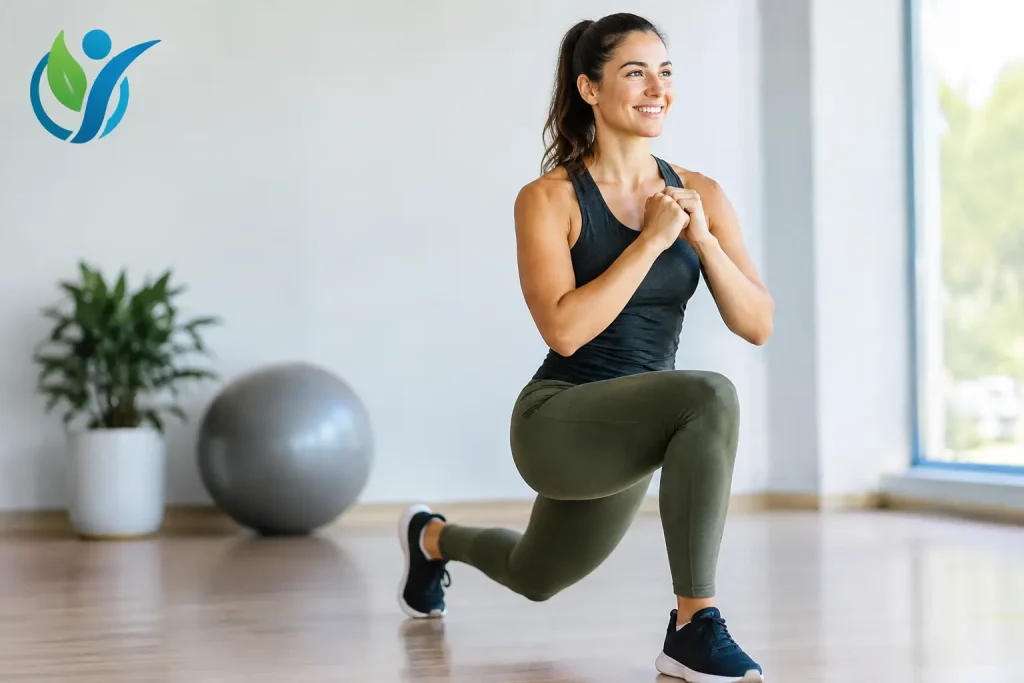
Getting up from a favorite chair, carrying groceries through the kitchen, turning safely to greet a neighbor, or walking across uneven ground should not feel like a daily test. Functional movement training focuses on the movements that make life feel more independent, capable, and enjoyable – not on performing for a mirror or keeping up in a crowded gym.
For many adults, especially as the body changes with age, the goal is not simply to exercise more. The goal is to move with greater ease and trust in your body. A thoughtful program can support that goal by building strength, balance, mobility, stamina, and confidence in ways that relate directly to your real life.
What Functional Movement Training Really Means
Functional movement training uses purposeful exercises that reflect how people move during the day. Rather than isolating one muscle group at a time, it often combines strength, posture, coordination, balance, and controlled movement.
A session may include practicing a sit-to-stand from a chair, stepping over a low obstacle, reaching for an item on a shelf, carrying a light object, or gently rotating through the upper body. These actions may sound simple, but they are the building blocks of independence. When practiced with good form and the right level of challenge, they can make everyday tasks feel less tiring and less uncertain.
This approach is not about making every exercise complicated. In fact, the best movement plan is often wonderfully practical. If standing from a chair is difficult, that becomes a meaningful place to begin. If getting down to the floor or climbing stairs feels unsteady, training can gradually support the strength and confidence needed for those activities.
Why Everyday Movement Deserves Attention
It is easy to overlook small changes in movement. Perhaps you begin using the counter for extra support when walking around the kitchen. Maybe you stop taking longer walks because your feet feel less steady, or you avoid lifting laundry baskets because your back has been uncomfortable. These choices are understandable, but avoiding movement completely can gradually make the body less prepared for it.
The encouraging news is that progress does not require punishing workouts. Consistent, appropriately guided movement can help you maintain abilities that matter to you. For some people, that means standing taller and walking farther. For others, it means having more energy for travel, gardening, grandchildren, or a favorite group activity.
Physical progress can also affect how a person feels emotionally. When you know you can move through your day with more control, confidence often follows. You may become more willing to try an activity you have been putting off, leave the house more often, or reconnect with parts of life that felt out of reach.
Functional Movement Training Begins With Your Life
A meaningful program starts with listening. Before choosing exercises, a skilled trainer should understand what you want to do more comfortably and what has been getting in the way. Your goals may be as specific as walking safely from the parking lot to a restaurant or as broad as feeling stronger and more like yourself.
At EightLimFit, individualized coaching considers your current fitness level, movement history, health concerns, comfort level, and personal goals. There is no benefit in forcing someone into a routine that does not fit their body or their life. A person managing balance concerns needs a different starting point than someone returning to fitness after a stressful season, even if both hope to feel stronger.
This is especially valuable for older adults and people living with mobility limitations. Arthritis, back pain, peripheral neuropathy, Parkinson’s disease, past injuries, and fear of falling can all influence how someone moves. Exercise can be adapted, but it should be adapted with care. The right pace is the one that creates progress while helping you feel safe, respected, and encouraged.
The movements that often matter most
Many functional programs include variations of a few everyday patterns: sitting and standing, stepping, reaching, pushing, pulling, carrying, rotating, and balancing. These patterns can be adjusted in countless ways. A chair can provide support. A wall can make an exercise feel more secure. A lighter object, a shorter range of motion, or a slower pace may be exactly what allows someone to practice successfully.
Balance work is often part of the plan, but balance is not just standing on one foot. It includes learning how to shift weight, react to a change in direction, steady yourself while reaching, and move from one position to another with control. Building leg strength and core stability supports balance as well, which is why a well-rounded session does more than one type of exercise.
Mobility also has a place. When shoulders, hips, ankles, or the spine feel restricted, routine activities may become harder than they need to be. Gentle mobility work can help create more comfortable movement, while strength training helps you use that available movement with greater control.
Progress Should Feel Challenging, Not Intimidating
Functional training is not one-size-fits-all, and more intensity is not always better. A workout that leaves you exhausted for days may not support the consistency needed for long-term improvement. On the other hand, a program that never becomes more challenging may stop producing meaningful change.
The sweet spot is gradual progression. You might begin with a higher chair for sit-to-stands, then work toward a lower chair. You may start by holding a countertop during a balance exercise and later use only a fingertip for support. These may look like small changes, yet they are real signs of growing ability.
Some days will feel stronger than others. Sleep, stress, hydration, pain levels, medications, and life events can all affect how you move. A compassionate trainer pays attention to those realities instead of treating them as failures. Adjusting a session is not giving up. It is intelligent coaching.
Form and safety come first
Good functional movement training teaches awareness, not fear. You learn how to position your feet, engage your posture, breathe steadily, and move at a controlled speed. The purpose is to help you feel more connected to your body and better able to recognize what feels supportive versus what feels like too much.
If you have a medical condition, recent surgery, unexplained dizziness, chest pain, or new symptoms, speak with your health care provider before beginning or changing an exercise program. Personal training can be a valuable part of wellness, but it does not replace medical diagnosis or treatment. Clear communication among you, your trainer, and your care team helps create the safest path forward.
Bringing Better Movement Into Daily Routines
The strongest training plan is one that carries into your day. Notice how you rise from a chair. Can you place both feet firmly on the floor, lean forward slightly, and stand without rushing? When you carry a bag, can you keep it close to your body and walk at a steady pace? When you reach overhead, can you avoid holding your breath and stay grounded through your feet?
These are not reasons to overthink every movement. They are gentle opportunities to practice the skills you are building. A few intentional moments throughout the day can reinforce what you learn in a session.
Consistency also works better when it feels realistic. A 20-minute session twice a week, along with a few simple movements on other days, may be more valuable than an ambitious plan that becomes difficult to sustain. In-home and virtual coaching can be particularly helpful when transportation, busy schedules, or gym environments create barriers to getting started.
Confidence Is a Meaningful Fitness Goal
Numbers can be useful: how many times you can stand from a chair, how long you can walk, or how steadily you can balance with support nearby. But the deeper measure of progress is often personal. It is choosing the stairs because you feel able. It is returning to a social event without worrying about keeping up. It is feeling less hesitant when you move through your own home.
Your body does not need to look a certain way to deserve care. Functional movement training is an opportunity to support the life you want to keep living, one capable step at a time. Start where you are, honor what your body is telling you, and let each small improvement remind you that positive change is still possible.