
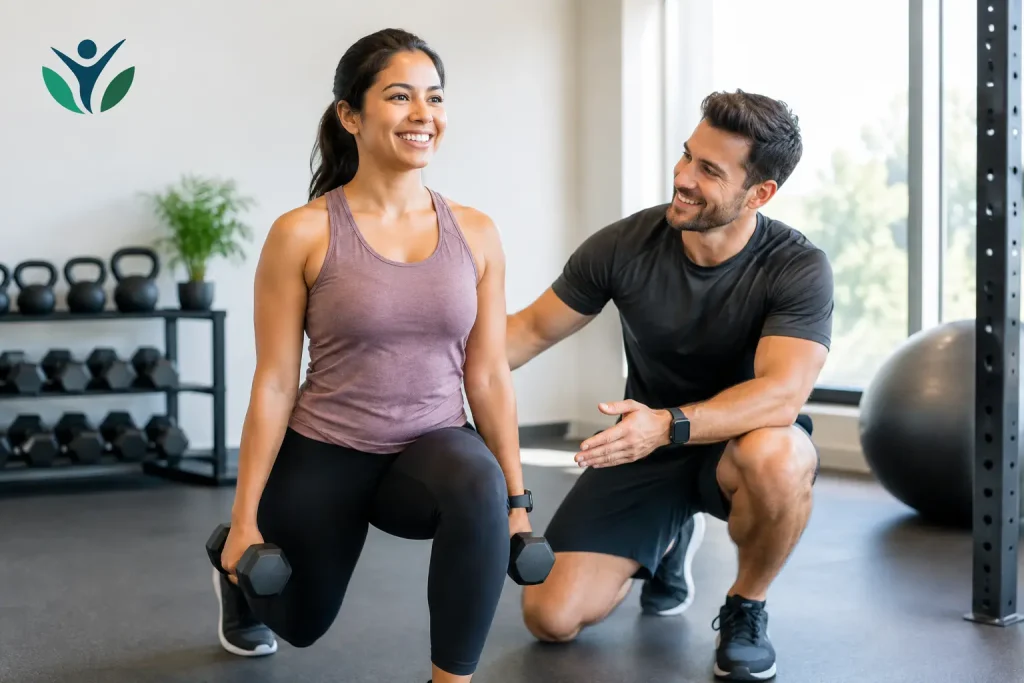
Getting up from a favorite chair without using your hands. Walking through the grocery store with more energy. Feeling steadier on the stairs. Returning to movement after pain, illness, or a long stretch of putting everyone else first. Personal training is not only about working harder. At its best, it is thoughtful support that helps you move toward the life you want to live.
For many people, especially older adults and those managing physical limitations, a crowded gym or one-size-fits-all workout plan can feel discouraging. The right trainer listens first. They learn what your body needs, what matters to you, and what may be making movement feel difficult right now. Then, together, you create a path that is realistic, encouraging, and built around progress you can feel in everyday life.
What Personal Training Should Feel Like
Personal training should feel personal. That may sound obvious, but it is the difference between following a generic routine and receiving care that responds to you on a given day.
Some days, you may be ready to work on leg strength, posture, and stamina. On another day, tightness, poor sleep, back discomfort, or a busy schedule may call for a gentler session focused on mobility, breathing, and balance. Adapting the plan is not lowering the standard. It is honoring your body so you can keep moving forward safely.
A supportive trainer also sees the whole person. Physical goals are often connected to confidence, stress, motivation, and daily habits. Someone may say they want to improve their core strength, but what they really want is to feel secure carrying laundry, playing with grandchildren, traveling, or getting off the floor independently. Those deeper goals matter because they give each session a meaningful purpose.
The Everyday Benefits of Personal Training
The most valuable results are often the ones that do not show up on a scale. Consistent, individualized movement can help improve strength, flexibility, balance, coordination, stamina, and body awareness. Over time, these changes may make daily activities feel less exhausting and more comfortable.
For adults who have become less active, starting with simple movements can be powerful. Practicing a safe sit-to-stand exercise may support easier transfers in and out of chairs. Gentle balance work near a stable surface can help build confidence while walking. Strengthening the hips, legs, and core can support better posture and steadier movement. Progress does not need to be dramatic to be meaningful.
Personal training can also bring structure to a routine that has slipped away. Many people know they would feel better if they exercised, stretched, or took time for themselves, yet good intentions are easy to postpone. A scheduled session creates a caring appointment with your own well-being. It offers accountability without judgment and encouragement when motivation is low.
There is an emotional benefit, too. Movement can be a reminder that your body is still capable of learning, adapting, and becoming stronger. That feeling can carry into other parts of life. A client who feels more stable during a walk may be more willing to attend a social event. A person who regains flexibility may feel more hopeful about traveling. Small physical wins often rebuild personal confidence.
Personal Training for Seniors Is Not About Keeping Up
Senior fitness should never be about keeping up with someone younger, lifting a certain amount of weight, or pushing through pain to prove a point. It is about maintaining the abilities that protect independence and make life more enjoyable.
For someone in their seventies, eighties, or nineties, goals may include safer walking, better balance, easier reaching, stronger legs, or more energy for a full day. For another person, the focus may be managing stiffness, rebuilding strength after a health setback, or staying active while living with Parkinson’s disease, peripheral neuropathy, chronic back pain, or another condition that affects movement.
The approach depends on the individual. A trainer should respect medical guidance, work within appropriate limits, and pay attention to how exercises feel. A challenge can be healthy. Sharp pain, dizziness, fear, or overwhelming fatigue are signals to pause and adjust.
Progress Can Look Different for Every Body
Progress might mean adding repetitions, but it can also mean using better form, needing fewer rest breaks, standing taller, or feeling less anxious about moving. Sometimes the biggest achievement is consistency: showing up twice a week, practicing a few exercises between sessions, or choosing a short walk instead of staying seated all afternoon.
This is why comparisons are rarely helpful. Your starting point is your starting point. A compassionate training relationship keeps the attention on what is improving for you.
How a Personalized Plan Comes Together
A meaningful plan begins with conversation. Before choosing exercises, a trainer should ask about your goals, health history, daily routine, previous injuries, concerns, and what you enjoy. If you have avoided exercise because of embarrassment or past discomfort, that deserves to be heard too.
From there, sessions may include a blend of functional strength work, stretching, mobility exercises, balance practice, gentle cardiovascular conditioning, yoga-inspired movement, and relaxation techniques. The mix should fit your needs rather than follow a trend.
For example, a professional who spends long hours at a desk may need support with posture, hip mobility, stress relief, and a realistic routine that fits a demanding schedule. An older adult who worries about falling may benefit from lower-body strength, balance training, and practice moving confidently through everyday positions. Someone returning to exercise after a difficult season may need a slower pace and steady encouragement before they are ready for more challenging work.
Goals are revisited along the way. If a movement no longer feels right, it can be changed. If you reach a milestone, the plan can grow with you. This flexibility is one of the greatest strengths of working one-on-one.
Choosing the Right Personal Trainer
Credentials and experience matter, especially when you have health considerations or mobility concerns. Just as important is whether the trainer makes you feel seen, safe, and capable. You should feel comfortable asking questions and sharing when something does not feel right.
Look for someone who explains movements clearly, offers modifications without making you feel singled out, and celebrates practical improvements. The best trainer is not the person who gives the hardest workout. It is the person who helps you build a sustainable relationship with movement.
Convenience can make a major difference as well. In-home training can remove the stress of travel and allow exercises to be practiced in the space where daily life happens. On-site sessions can be especially helpful for retirement communities, where residents may benefit from familiar surroundings and supportive group connection. Virtual training can provide continuity for people who prefer to exercise from home or live outside the local area.
At EightLimFit, the focus is on this kind of whole-person support: movement guidance paired with encouragement, realistic goal setting, and attention to the life you want to enjoy beyond each session.
Start With the Goal That Matters Most
You do not need to wait until you feel stronger, more flexible, or more motivated to begin. Those are often the results of starting. Begin with the goal that feels most important right now, whether it is standing more confidently, easing back into a routine, having more energy, or feeling more at home in your body.
A good personal training experience meets you with patience, not pressure. With the right support and a plan shaped around your life, each small step can become evidence of something worth remembering: you are capable of building a healthier, happier, and more independent future.