
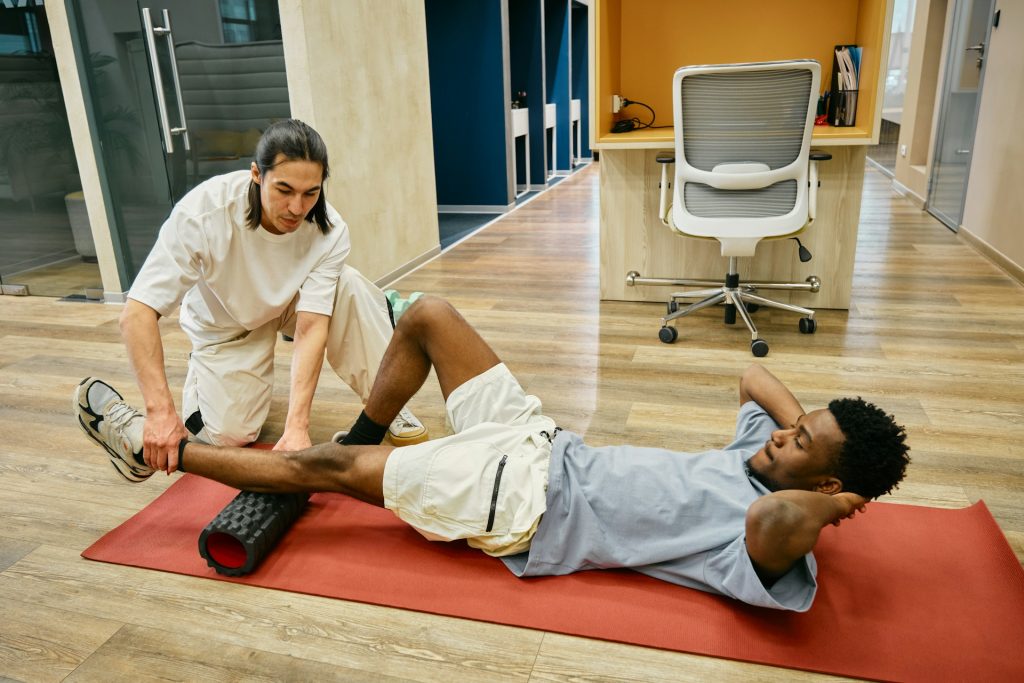
When colder weather hits, even simple movements can feel a little tougher. Tightness creeps in, joints get sluggish, and it is easier to stay still instead of stretching or walking around. That is where physical therapy for seniors plays a big part. These sessions often are not about pushing harder but about helping the body move more comfortably and the mind feel more secure.
During the colder months, many people notice their body starts to slow down. Having regular, guided support can make everyday movement feel more natural again. Let’s walk through some of the main things physical therapy sessions usually focus on, especially for older adults looking to feel steady and at ease in their daily routine.
Supporting Everyday Movement
Most sessions start by focusing on daily movements like standing up, walking around the home, or reaching overhead for something. These basics make up our foundation. When those moments feel easier, the rest of the day tends to follow smoothly.
It is often about making small adjustments. For example, learning to stand up from a chair smoothly rather than rocking forward or stepping over a rug with confidence instead of hesitating. This work is not about speed. It is about finding real comfort in the moments that fill our days.
Success here often brings pride. Those simple tasks mean a lot when they are done with ease. With winter and the shifts in routine that come with it, support in these basic motions becomes more important than ever.
Improving Balance and Confidence
Feeling steady on your feet is about more than walking. It affects how confident you feel and your willingness to keep moving. Many sessions center on exercises designed to reconnect the brain and body with the feeling of balance.
These might include standing on one foot, shifting weight gently side to side, or holding a position for a few seconds. They may seem small, but each practice lets your body remember how stability feels. Over time, you gain trust in your steps, which can greatly affect your overall outlook and daily freedom.
Simple moments—like walking into a room without worry or going up a single step without overthinking—reflect real growth. Weekly practice and support encourage the kind of balance that shows up in both movement and mood.
Breathing, Posture, and Body Awareness
Posture and breathing show up quietly but are key to comfortable movement. Sitting tall in a chair, checking for tension in the shoulders, or remembering to breathe deeply helps keep the whole body in line.
During sessions, these gentle reminders help the body relax and the mind to settle. You might be asked to notice where tightness lingers or to take a full breath as you move. These practices lower the risk of discomfort and help you recognize problems before they grow.
Body awareness connects movement to emotion. When you stand straighter or fill your lungs slowly, you may find yourself letting go of built-up stress or anxiety. These small tools support both the body and your overall comfort day by day.
Reflecting Through Coaching and Movement
Physical work in sessions often blends with gentle reflection. Movement naturally brings up feelings—sometimes frustration, sometimes fear, sometimes pride. Good sessions make space for those emotions.
A moment of guided reflection or light coaching can help you connect what is happening physically to what you think and feel. Talking through a sticking point with the therapist sometimes leads to seeing an old worry in a new light. This is where coaching can unlock confidence, and noticing your progress can boost motivation.
The message in our book, “If it is to be, it is up to me,” circles back to this: growth starts from within and builds up through steady, mindful attention. When you are open to learning about yourself with each step, sessions go deeper than the surface.
Restoring Rhythm During Winter Slowdowns
Short days, holiday changes, and colder weather naturally lead to long breaks between activities. Stiffness can sneak in, and routines might pause for weeks at a time. Many sessions in December focus on restoring a healthy rhythm.
You might begin with gentle standing stretches in the morning, a short series of steps across the kitchen, or light arm circles to get circulation flowing. These are not forced exercises. They gently nudge the body back into motion as the season grows quieter.
Reestablishing routine isn’t about exercise for its own sake. It is about being able to count on your body to show up for you. This anchors mood, focus, and confidence as the year winds down and the new one approaches.
Small Moves, Steady Shifts
Progress is not found in grand leaps, but in the steady build of small changes. In physical therapy for seniors, the aim is often to layer these wins—each one growing on the last until the body feels stronger and movement becomes more natural.
The gains may be subtle: standing up without effort, reaching more comfortably, or enjoying a walk that used to leave you tired. Each is meaningful. They show that consistent, gentle care leads to lasting change.
As we talk about in “If it is to be, it is up to me,” these shifts come from paying attention and being kind with yourself along the way. There is no need to rush or put on pressure. Showing up, one small move at a time, is the path to greater comfort and steady confidence—especially in the stillness of winter.
At Eightlimfit, we believe steady support matters, especially when routines feel slower during the winter months. Whether it’s for posture, confidence, or a little more ease in breathing, we focus on making movement feel possible again. For anyone exploring gentle ways to stay active and present, our approach to physical therapy for seniors is grounded in care and body awareness. If you’ve been wondering what small shifts might help in your own routine, we’re ready for a thoughtful conversation about what comes next.