
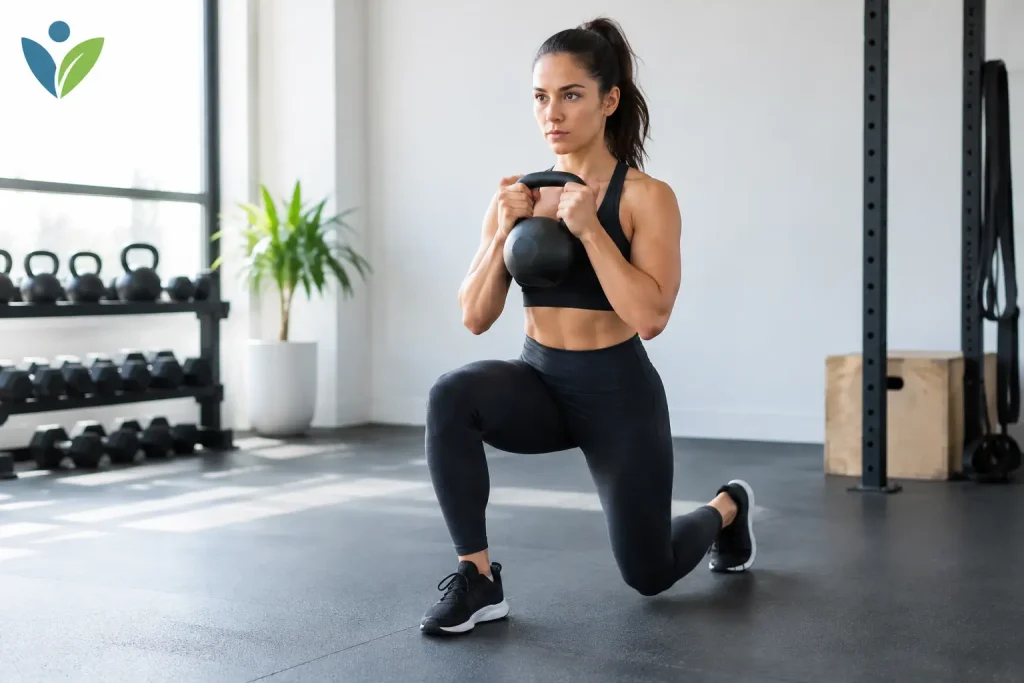
A grocery bag should not feel like a test of courage. Neither should getting up from a favorite chair, stepping off a curb, reaching for a dish, or walking across a parking lot with confidence. This guide to functional strength training is about preparing your body for the movements that make up your real life, so you can feel more capable, steady, and independent.
Functional strength is not about chasing a certain look or proving how much weight you can lift. It is about building practical strength that supports the life you want to lead. For one person, that may mean keeping up with grandchildren. For another, it may mean moving with less fear after a period of back pain, recovering confidence after a fall, or having more energy at the end of a busy day.
What Functional Strength Training Really Means
Functional strength training uses exercises that reflect everyday movement. Instead of isolating one muscle at a time, it often asks your body to work as a team. Your legs, core, hips, shoulders, hands, balance, and breathing all contribute when you stand, carry, climb, bend, reach, or turn.
A well-designed session may include practicing how to rise from a chair, step safely in different directions, carry an object close to your body, reach overhead with control, or stabilize yourself while one leg moves. These are familiar actions, but practicing them intentionally can make them feel easier and safer outside of a workout.
This approach is especially valuable as we age because strength and balance support independence. Yet functional training is not only for seniors. It can also help adults returning to movement after a disrupted routine, professionals who sit for long stretches, and anyone who wants fitness to serve daily life rather than compete with it.
Start With Your Life, Not a Generic Workout
The best functional program begins with a conversation. What movements feel difficult right now? What would you like to do with more ease? Where do you notice stiffness, pain, fatigue, or worry?
Your goals may be specific: walking farther in your neighborhood, getting in and out of the car comfortably, traveling with more confidence, gardening, or managing stairs. Those goals should shape the exercises you practice. A person who wants to carry laundry upstairs may benefit from leg strength, core stability, and controlled step training. Someone who struggles to stand after sitting may begin with supported chair stands and gradually reduce the amount of hand assistance.
This is why a one-size-fits-all workout can miss the mark. Two people of the same age can have very different mobility, health history, confidence, and starting points. Progress should feel personal, not prescribed.
Notice Your Starting Point With Compassion
Before adding resistance or more challenging movements, pay attention to how your body moves now. Can you stand from a chair without using your hands? Can you walk while turning your head? Do you feel steady when reaching into a cupboard? Can you step over a low obstacle without holding your breath or rushing?
These observations are not a grade. They simply provide useful information. They help identify what deserves attention and make it easier to recognize meaningful improvements over time.
If you have Parkinson’s disease, peripheral neuropathy, significant balance concerns, ongoing back pain, recent surgery, or a heart or joint condition, speak with your health care provider about appropriate activity. A qualified trainer can adapt movement, but safety comes first. Pain that is sharp, sudden, worsening, or accompanied by dizziness, chest pressure, unusual shortness of breath, or faintness should never be pushed through.
The Movement Patterns That Matter Most
A functional program does not need to be complicated, but it should be well rounded. Think in movement patterns rather than a long list of exercises.
Sit, stand, and squat. Chair stands strengthen the legs and hips for getting up from a sofa, toilet, or dining chair. Starting from a higher chair or using armrests is completely appropriate. The goal is controlled movement, not forcing a low squat.
Step and climb. Supported step-ups, gentle marching, and controlled stair practice can improve the strength and balance needed for curbs and stairs. A countertop, railing, or sturdy chair can offer support while confidence grows.
Hinge and pick up. Learning to bend from the hips while keeping the spine comfortably supported can make tasks like lifting a bag or picking up an item from the floor feel more manageable. The range of motion should fit your body. You do not need to reach the floor to practice the pattern.
Push and pull. Wall push-ups, resistance-band rows, and light pressing movements build strength for doors, carts, household tasks, and posture. For many people, upper-body work also makes reaching and carrying feel less tiring.
Carry and stabilize. Carrying a light object while walking, standing tall, and breathing steadily teaches the body to manage everyday loads. Balance practice may include weight shifts, supported single-leg stands, or walking with purposeful changes in direction.
The details matter. A slower chair stand with good control may be more valuable than many rushed repetitions. Holding onto support while practicing balance is not “cheating.” It is a smart way to train safely enough to keep practicing.
How to Build a Functional Strength Routine
Consistency is more useful than an occasional exhausting workout. Many people do well with two or three strength sessions each week, leaving time between sessions for recovery. Even 20 to 30 focused minutes can create progress when the plan is realistic and repeated.
Begin with a few minutes of easy movement, such as walking in place, shoulder rolls, ankle circles, or gentle marching. Then choose several movement patterns that match your goals. A simple session might include chair stands, wall push-ups, supported step-ups, band rows, and a balance exercise near a stable surface.
Use a level of effort that feels challenging but controlled. You should be able to maintain steady breathing and good form. If the last few repetitions feel like work while still looking and feeling safe, the exercise is likely in a productive range. Start with fewer repetitions if needed, rest generously, and build gradually.
Progress can come in several ways: adding a repetition, using a slightly stronger band, lowering the chair height a little, improving control, reducing reliance on support, or completing the same routine with more confidence. More weight is only one option, and it is not always the right next step.
Balance and Strength Belong Together
Strength alone does not guarantee steadiness. Balance also requires awareness, coordination, vision, foot sensation, reaction time, and practice. That is why functional strength training often includes balance in small, regular doses rather than treating it as an afterthought.
For example, you might practice standing with feet closer together while holding a counter, shifting weight side to side, or taking slow steps forward and backward. The right challenge is one that asks for attention without creating panic. If you are gripping the counter tightly or feel unsteady afterward, make the exercise easier.
Footwear, lighting, hydration, medication changes, and fatigue can all affect balance. Some days your body may need a gentler session. Listening to that feedback is part of building a sustainable habit.
Make Room for the Emotional Side of Progress
Fitness is rarely only physical. Many people carry frustration from a previous injury, embarrassment about needing help, or fear that movement will make something worse. A supportive approach makes space for those feelings while continuing to look for what is possible.
Celebrate practical wins. Perhaps you stood up more easily, walked through a store with less fatigue, or felt steadier while turning. These changes can restore trust in your body, and that trust often makes it easier to stay active.
For clients who prefer personal attention, EightLimFit offers individualized functional training in Phoenix and Scottsdale, including in-home, community-based, and virtual support. The focus is not on keeping up with anyone else. It is on creating a plan that respects where you are and helps you move toward what matters to you.
Your body does not need perfection to become stronger. It needs thoughtful practice, patient progression, and encouragement that meets you where you are. Every safe repetition is a small vote for the life you want to keep living.